

How to Get Licensed for Residential SUD Treatment in Oregon (2026 Guide)
Licensing a residential SUD treatment program in Oregon requires OAR Chapter 309 compliance, a multi-component application, facility readiness, policy development, and survey preparation. Most programs underestimate the documentation burden and the timeline.
Easton Hallock, Founder, Saint Health Group·June 12, 2026 · 5 min read · Last updated August 8, 2026
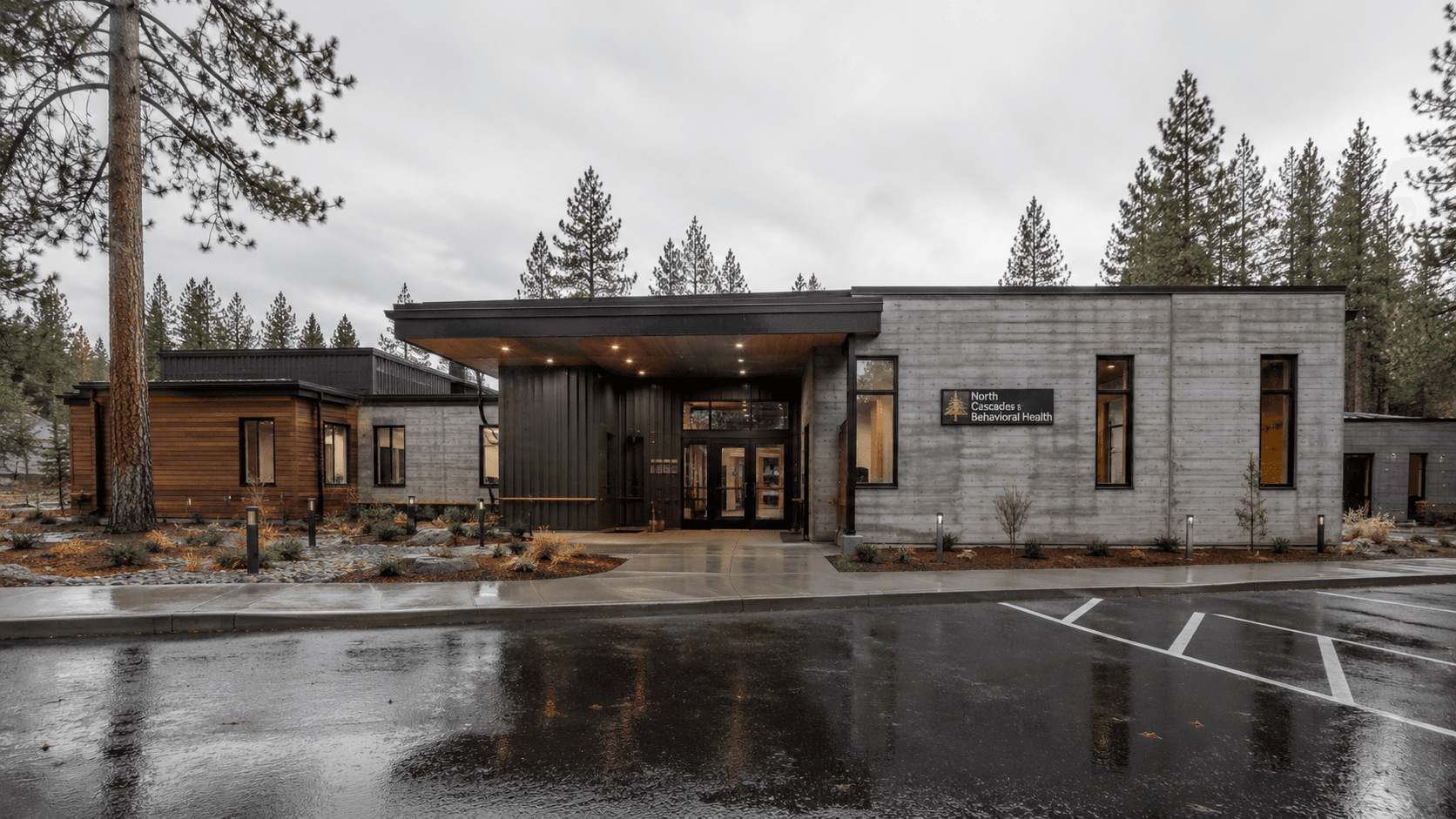
Licensing a residential substance use disorder treatment program in Oregon is a multi-month, multi-component process that requires careful preparation across organizational structure, facility compliance, policy development, and staffing qualifications, all before OHA schedules its first survey visit. Organizations that treat it as a paperwork exercise stall. Those that treat it as an operational build get licensed.
Regulations change. Verify current requirements with the Oregon Health Authority, and have final implementation reviewed by legal, compliance, and clinical leadership.
What is the legal requirement for operating residential SUD treatment in Oregon?
Any organization operating a residential substance use disorder treatment program must hold a Certificate of Approval (COA) issued by the OHA Office of Licensing and Regulatory Oversight. Operating without one is a violation of Oregon law. The COA specifies the licensed program type, level of care, and client capacity. The governing rules are OAR Chapter 309-019 for residential SUD programs, OAR 309-016 for definitions, and OAR 309-018 for outpatient services. Programs providing opioid agonist treatment must also obtain federal SAMHSA certification and comply with OAR 415-012.
Which ASAM levels of care require separate OHA certification?
OHA certifies each level of care separately. Planning to step clients through multiple levels, detox, residential, then IOP, means applying for each level individually. Each application cycle is independent.
| ASAM Level | Description | Service Intensity | OHA Rule |
|---|---|---|---|
| 1.0 | Outpatient | <9 hours/week | OAR 309-018 |
| 2.1 | Intensive Outpatient (IOP) | 9+ hours/week, 3+ days | OAR 309-018 |
| 2.5 | Partial Hospitalization (PHP) | 20+ hours/week | OAR 309-018 |
| 3.1 | Clinically managed low-intensity residential | 24-hour structure, overnight | OAR 309-019 |
| 3.5 | Clinically managed high-intensity residential | 24-hour clinical support | OAR 309-019 |
| 3.7 | Medically monitored intensive inpatient | 24-hour nursing and medical | OAR 309-019 |
| 3.7D | Medically managed detoxification | 24-hour medical management | OAR 309-019 |
What does OHA review before scheduling a survey?
OHA will not schedule a survey until the application is determined complete across five major areas. A missing document in any category sends the application back for supplementation, which adds weeks to months to the timeline.
Organizational documentation. Articles of incorporation, ownership disclosures, evidence of legal authority to operate, and financial documentation showing operational viability. Background check clearances are required for owners and key personnel.
Facility documentation. Lease or property ownership documentation, floor plans, certificate of occupancy, fire inspection clearance, and evidence that the facility meets OAR 309-019 physical plant standards, including square footage per resident, bedroom occupancy limits, bathroom ratios, and common area requirements.
Staffing qualifications. Credential and licensure documentation for clinical staff. The clinical director must meet OAR-specific credentialing requirements. Background check results for all staff with direct client contact. For programs providing medication-assisted treatment, prescriber credentials and DEA registration.
Policy and procedure manual. A comprehensive policy and procedure manual addressing all required areas under OAR 309-019. This is where most programs fall short. OHA expects documentation covering clinical protocols, client rights, grievance procedures, medication management and controlled substance security, emergency procedures, incident reporting, documentation standards, 42 CFR Part 2 compliance, staff training, and quality improvement. Generic templates pulled from the internet rarely address OAR-specific requirements and consistently generate survey deficiencies.
Client record systems. Documentation of how the program will maintain and protect client records, including 42 CFR Part 2 protocols, HIPAA compliance, and record retention policies aligned to OAR requirements.
What does the OHA survey involve?
OHA surveyors conduct a physical plant inspection against OAR facility standards, a policy and procedure review for OAR compliance, staff interviews, and, for programs that have clients at the time of survey, clinical record review. Surveyors produce a findings report identifying any deficiencies. Each deficiency requires a documented corrective action plan (CAP) with supporting evidence before the COA is issued. Programs with multiple deficiencies can spend three to six additional months in corrective action review.
Pre-survey internal audits, reviewing policies against each OAR standard and walking the facility against physical plant requirements before OHA arrives, consistently produce fewer deficiency findings. Programs that engage compliance support and conduct mock surveys before submission reach licensure faster and spend less on facility and policy corrections after the fact.
How long does each phase of the licensing process take?
| Phase | Typical Duration | Main Variables |
|---|---|---|
| Application preparation | 6 to 16 weeks | Policy manual development, facility readiness, staff hiring |
| OHA completeness review | 4 to 8 weeks | Whether supplementation is required |
| OHA substantive review | 4 to 10 weeks | OHA staffing and workload, application complexity |
| Survey scheduling and execution | 2 to 8 weeks | Surveyor availability |
| Corrective action (if needed) | 4 to 16 weeks | Number of deficiencies, scope of required changes |
Programs with complete, OAR-compliant applications and survey-ready facilities can reach licensure in four to six months. Those that treat the application as a first draft they will revise in response to OHA feedback typically take ten to eighteen months.
What comes after the COA?
The COA opens the path to CCO credentialing and OHP billing. CCO enrollment runs 60 to 120 days at most CCOs. Commercial payer credentialing can begin in parallel with the licensing process, though most payers require OHA licensure before credentialing SUD programs. Accreditation through The Joint Commission or CARF is a separate process that typically begins after licensure, see our guide on CARF vs. Joint Commission accreditation. Revenue cycle infrastructure, billing systems, authorization workflows, documentation standards, should be built in parallel with licensing so you are ready to bill the day you admit your first client. The revenue cycle gap is covered in depth in our guide on why behavioral health collection rates collapse.
Frequently asked questions
What OAR rules govern residential SUD treatment in Oregon?
Residential substance use disorder treatment in Oregon is governed primarily by OAR Chapter 309-019 and OAR 309-016. Programs providing opioid treatment services must also comply with OAR 415-012 and obtain SAMHSA certification. Outpatient SUD programs are covered under OAR 309-018.
Do I need OHA licensure to serve Oregon Health Plan members?
Yes. OHA licensure is a prerequisite for CCO credentialing and OHP billing for SUD treatment. Oregon CCOs will not credential unlicensed SUD programs. You must hold a Certificate of Approval before serving OHP members.
How long does OHA residential SUD licensure take?
Plan for 4 to 8 months from application submission to COA issuance under typical conditions. Those with policy gaps or facility deficiencies requiring corrective action often take 10 to 18 months.
Can I operate while my OHA application is pending?
No. Operating a residential SUD treatment program without a Certificate of Approval violates Oregon law. You must hold an active COA before admitting clients.
What is the most common reason residential SUD applications stall?
A policy and procedure manual that does not meet OAR standards is the most frequent cause of application delays. Facility compliance deficiencies and staff credential gaps are the next most common causes.
What physical plant standards apply to Oregon residential SUD facilities?
OAR 309-019 specifies requirements including minimum square footage per resident, bedroom occupancy limits, bathroom ratios, and common area standards. Facilities must also meet building code, fire inspection, and ADA requirements.
Saint Health guides organizations through OHA licensure, from application preparation through policy development, survey readiness, and corrective action management. Contact us to discuss your licensing project.
Licensing, payer, and compliance intelligence for behavioral health operators. One email, most Tuesdays.
No spam. Unsubscribe any time.
Need help with this?
Saint Health works directly with behavioral health organizations to implement the systems covered in this article. Prefer to talk? 503-389-3239
More from the Field Desk
Back to the Field Desk →